
Built for How You Ride
Whether you’re chasing podiums, exploring back roads, or logging miles that matter—your tires should work as hard as you do. Every Corsa tire is designed around real riding, built to deliver exactly what you need when the pavement (or gravel) is under your wheels.
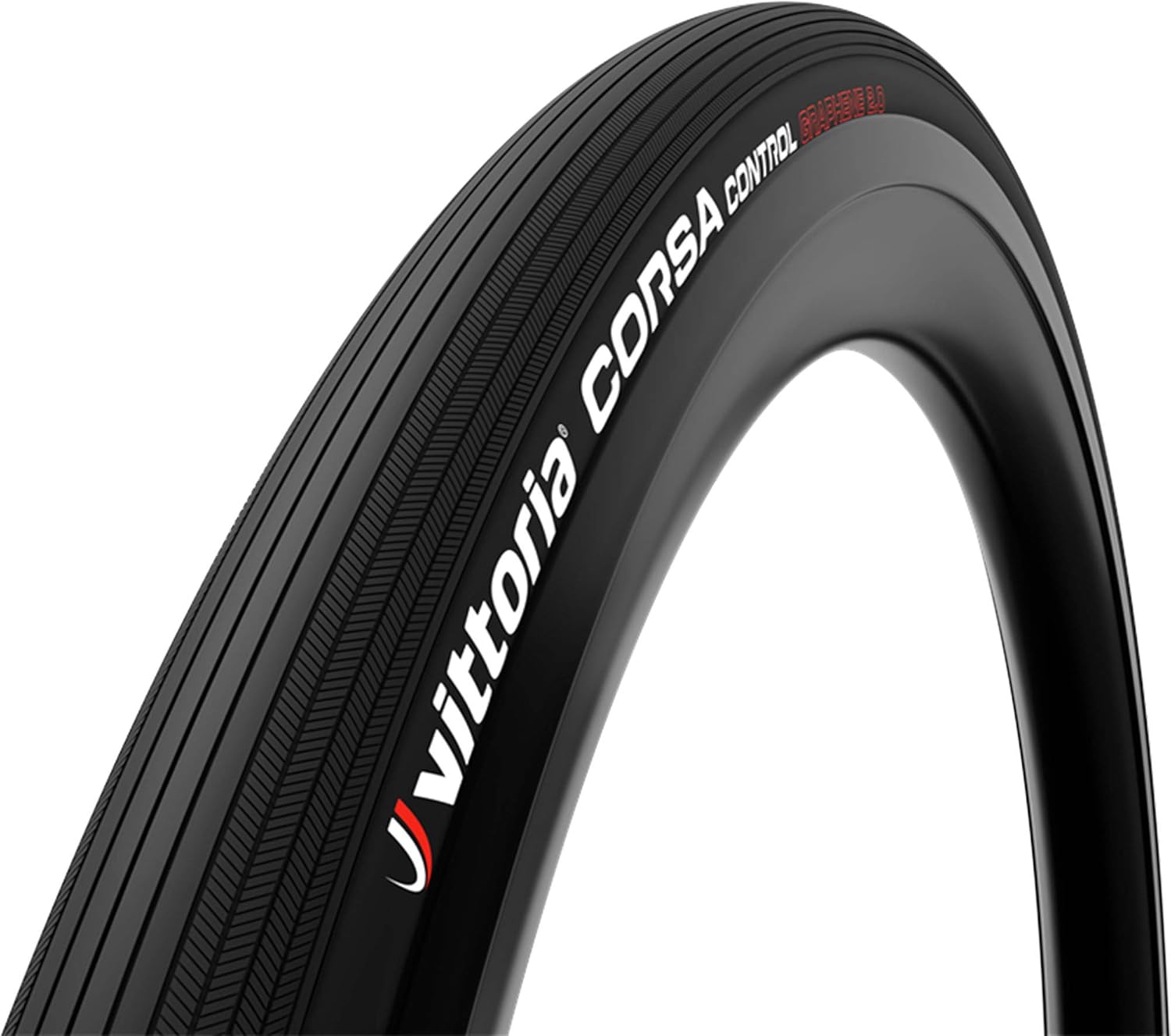
Graphene 2.0 – Tubeless Ready for Performance on Rough Roads
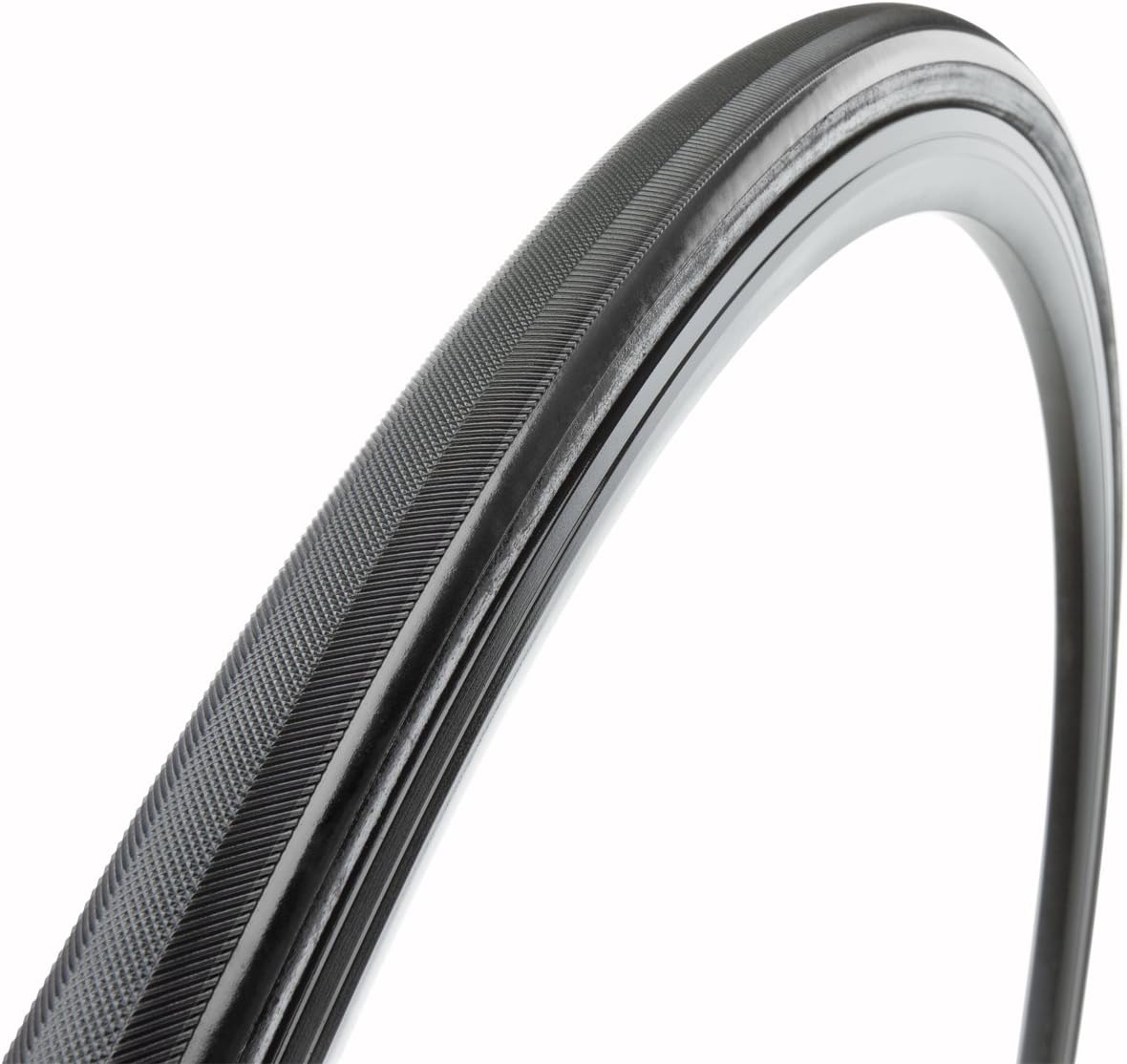
Open Corsa CX III 23mm – Classic Construction for Traditional Road Performance
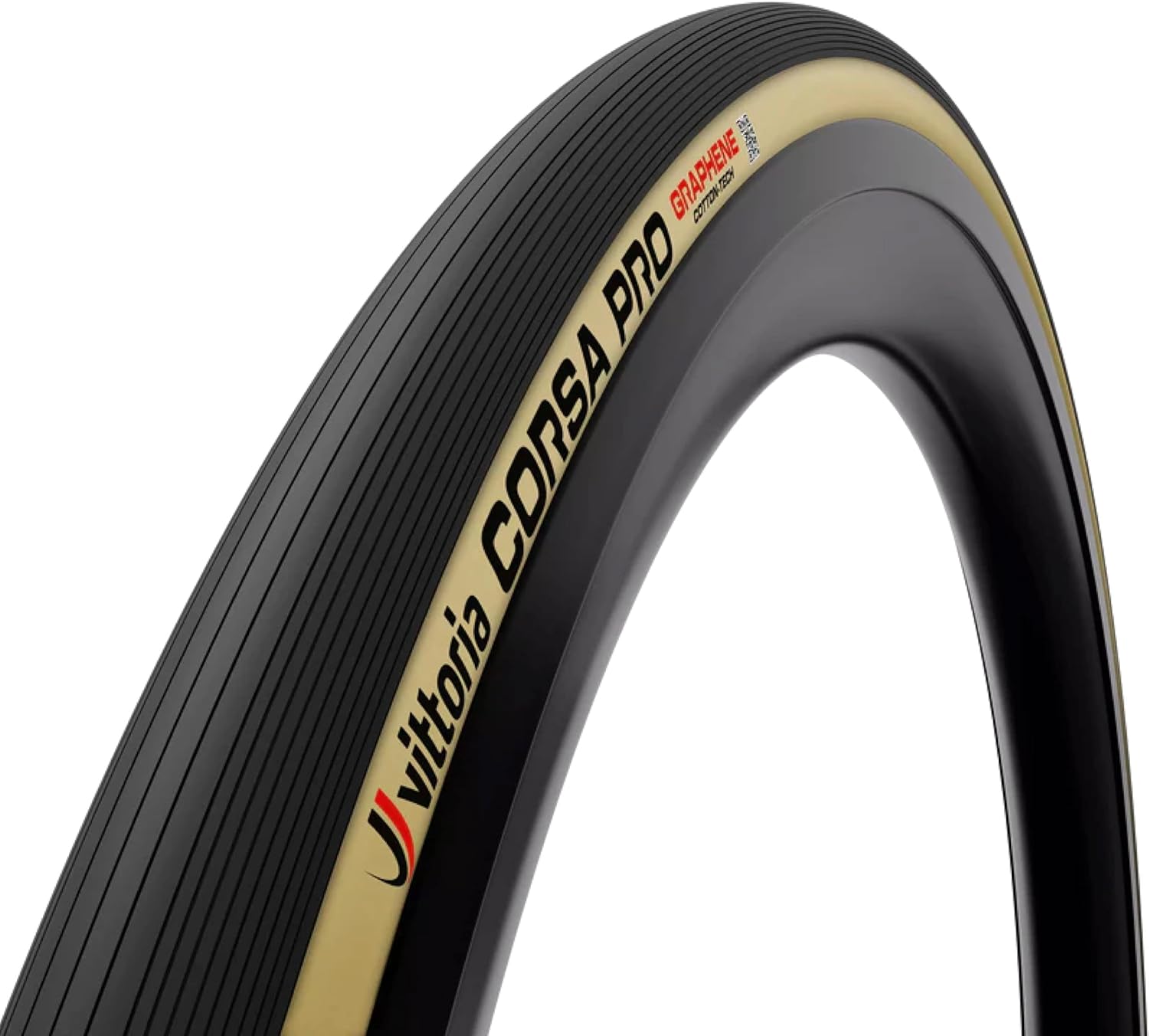
Pro Tubeless-Ready – 320 TPI Cotton Casing with Anti-Puncture Protection
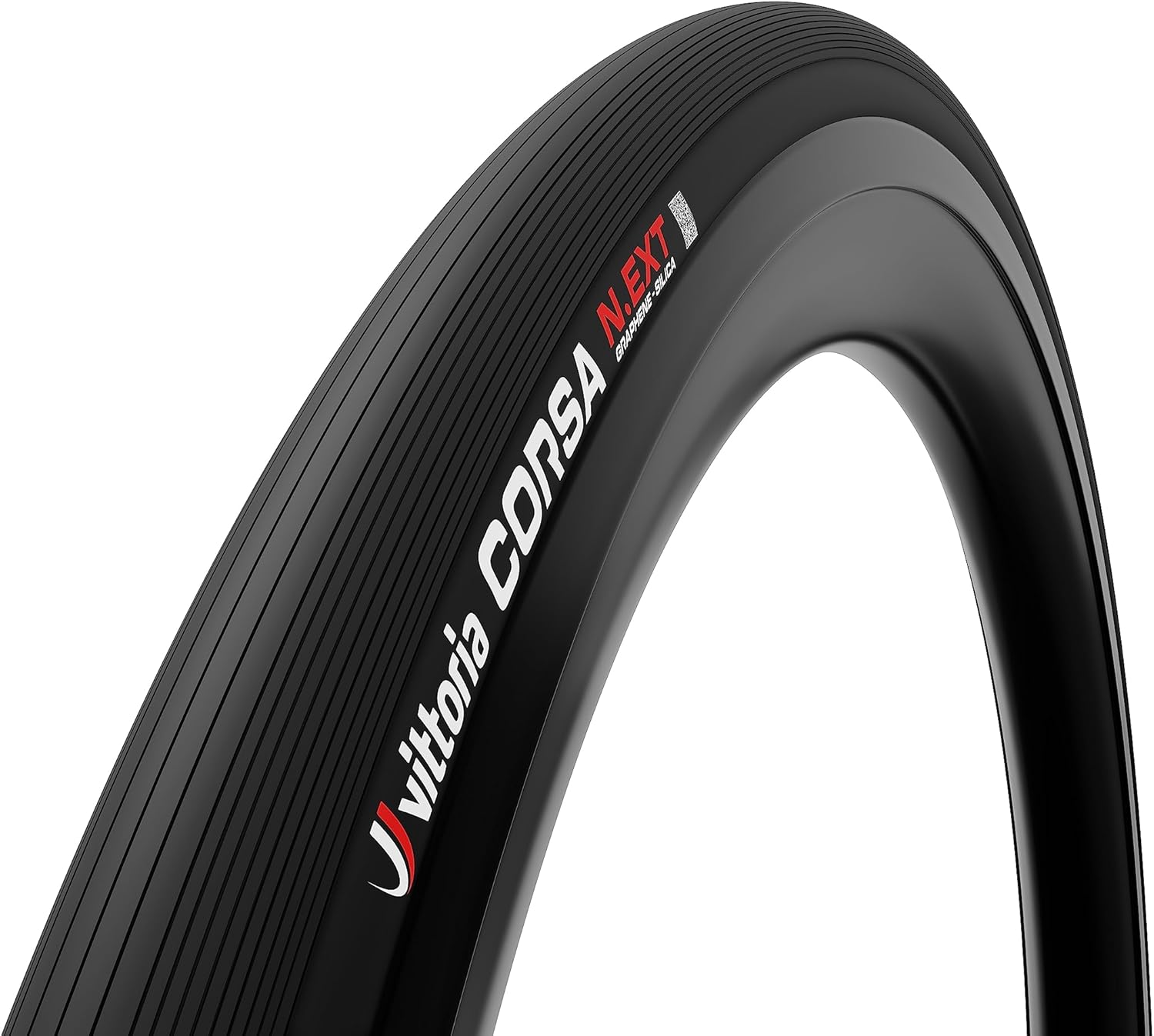
N.EXT G2.0 Foldable – Versatile Option for Training Sessions and Racing
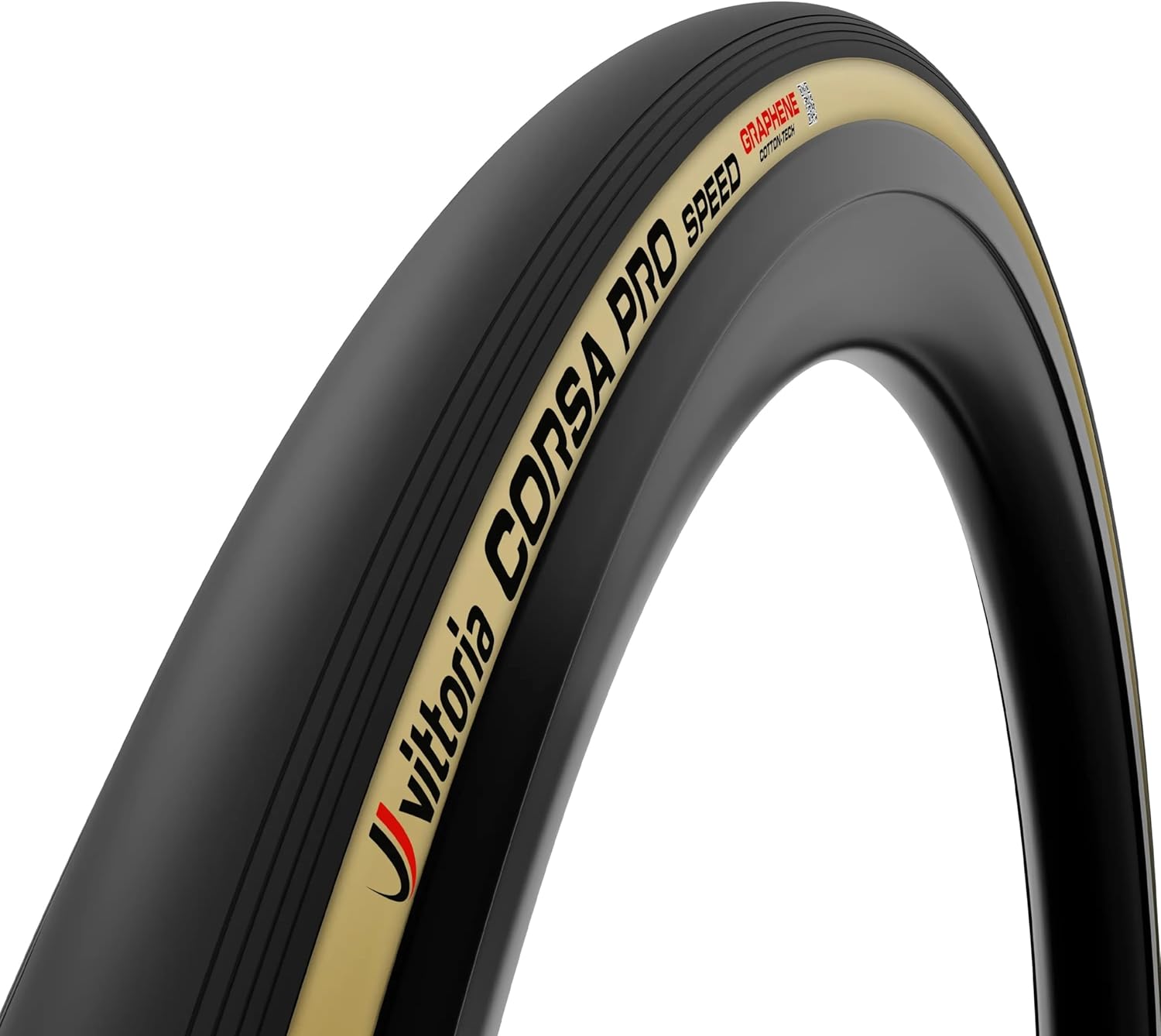
Pro Speed Foldable TLR – Engineered for Maximum Performance on the Road
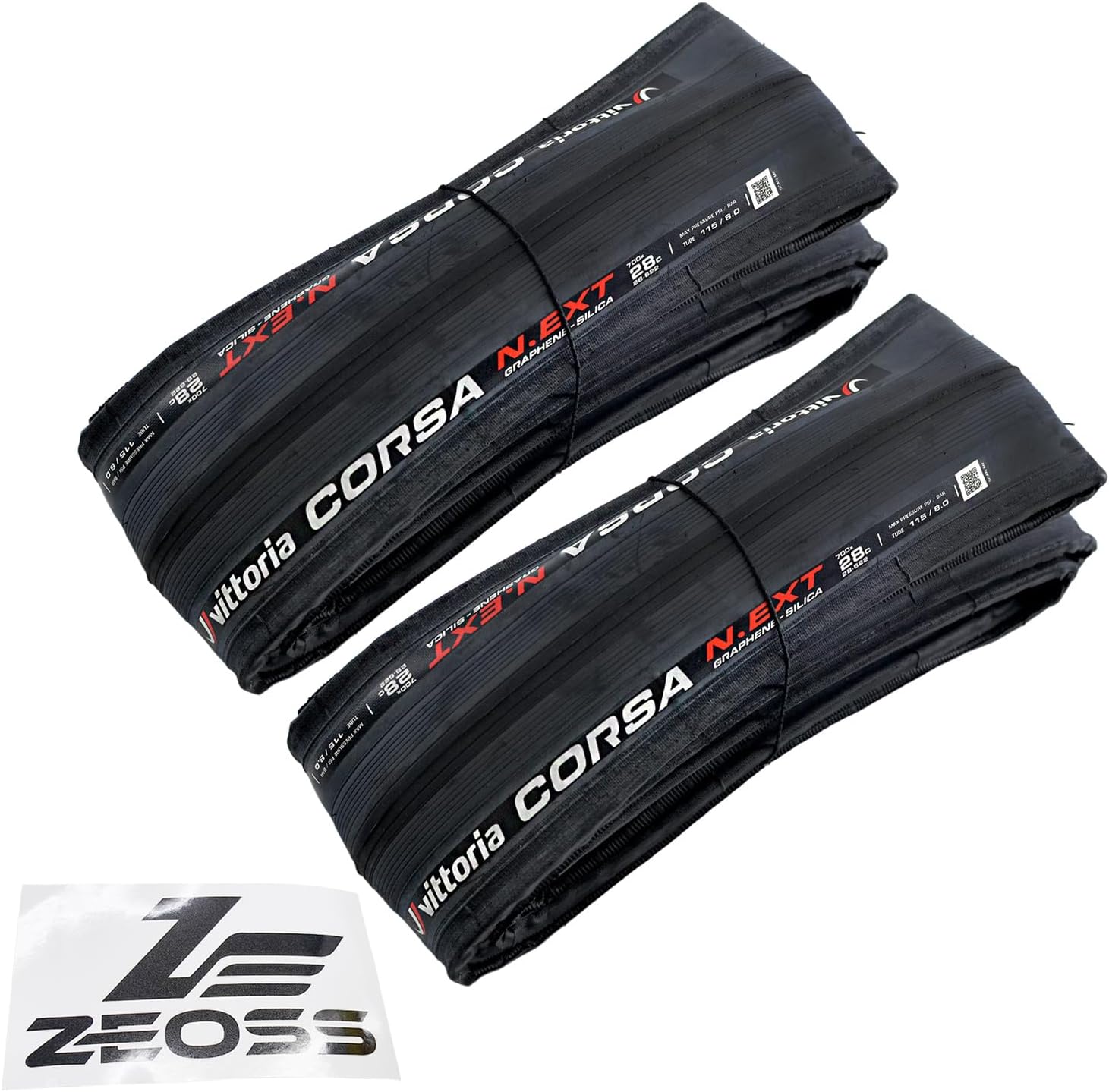
N.EXT G2.0 Clincher 700x28C – Folding Design for Reliable All-Round Performance
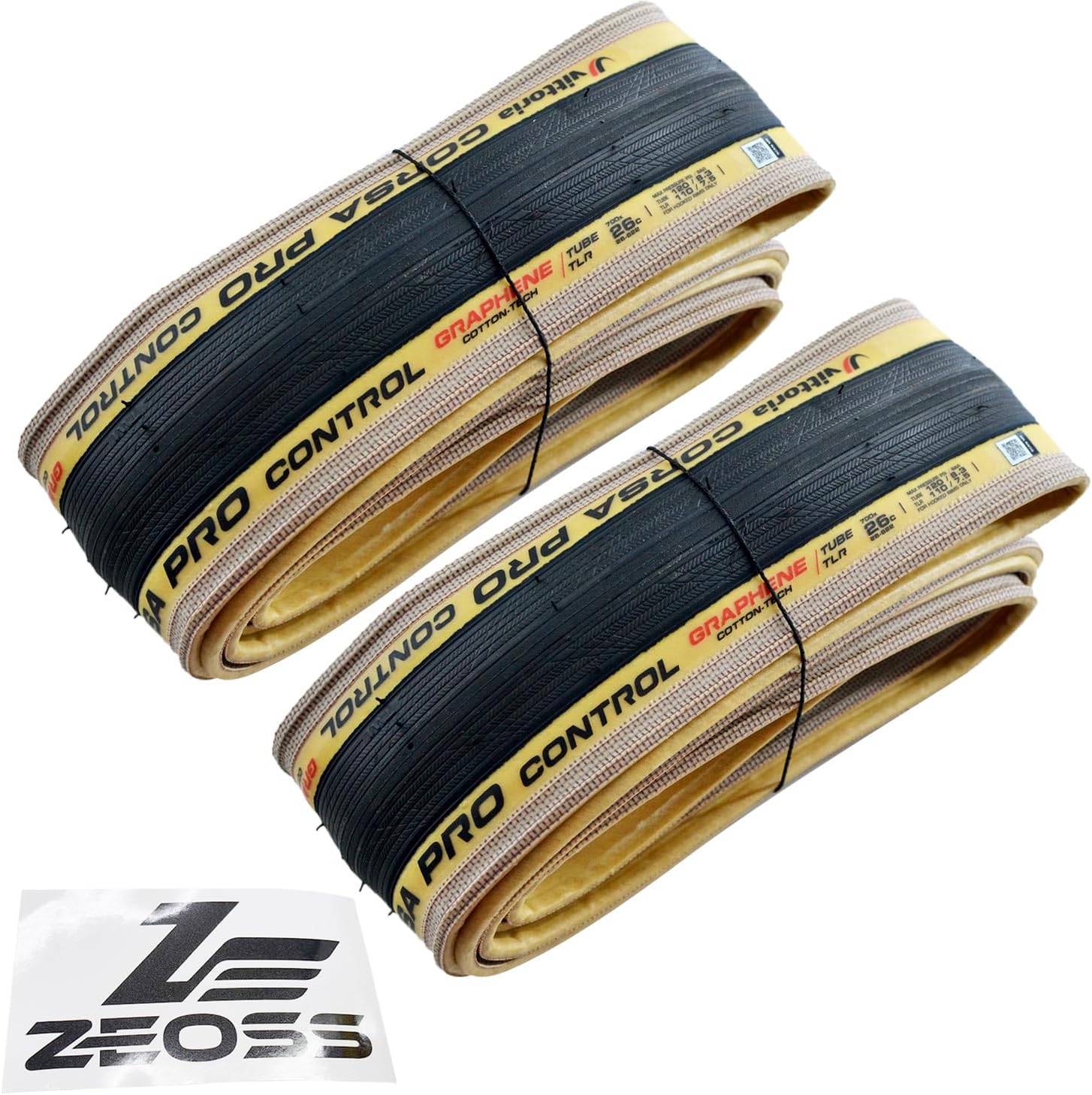
PRO Control Graphene Clincher 700x26C – Tubeless Ready with Skinwall
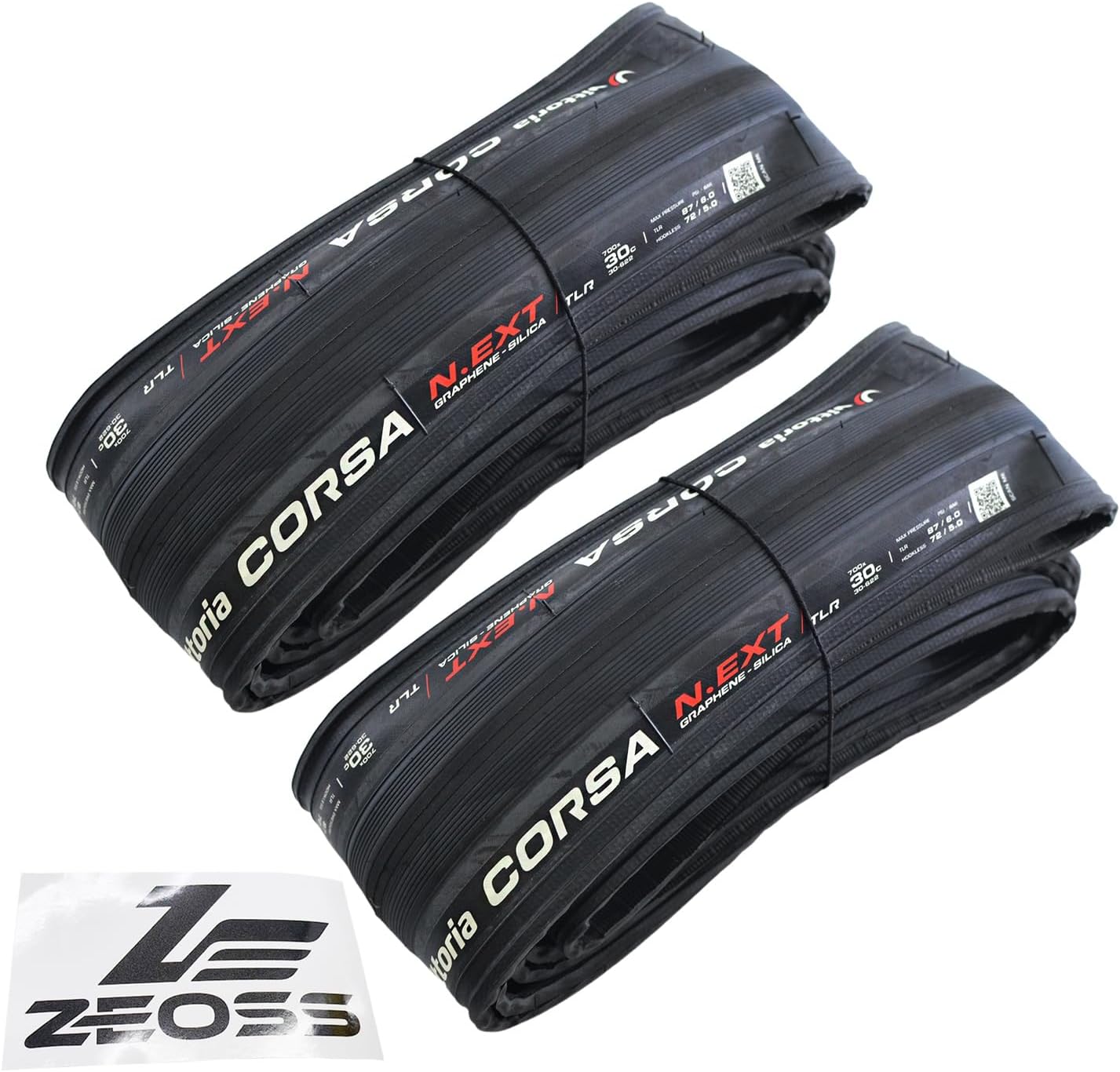
N.EXT G2.0 TLR 700x30C – Tubeless Technology for Enhanced Grip and Comfort
Got Questions?
This section covers the most common questions about tire selection, care, and performance.
Clincher tires use an inner tube and hook onto the rim with a bead, making them easy to install and repair roadside. Tubeless tires seal directly to the rim without an inner tube, which reduces puncture risk and allows running lower pressures for better traction. Tubeless setups require compatible rims and sealant, but many riders find the performance benefits worth the extra setup effort.
Most tires need replacement every 2,000–4,000 miles depending on riding conditions, weight, and terrain. Visual signs like worn tread patterns, visible threads in the casing, frequent flats, or sidewall cracks indicate it’s time for new rubber. Riding on worn tires increases puncture risk and reduces grip, especially in wet conditions.
Standard road tires aren’t ideal for gravel since they lack the tread depth and casing durability needed for loose surfaces and debris. Gravel-specific tires feature wider profiles (32mm+), reinforced sidewalls, and tread patterns designed for mixed terrain. Using road tires off-pavement increases puncture risk and reduces control on loose surfaces.
Optimal pressure depends on rider weight, tire width, and surface type. Heavier riders need higher pressures, while lighter riders can run lower. Wider tires perform better at lower pressures than narrow ones. Smooth pavement suits higher pressures for speed, while rough roads or trails benefit from lower pressures that improve comfort and grip without risking pinch flats.
Tread patterns make a significant difference in specific conditions. Slick or minimal tread works best on pavement where smooth contact creates speed. Light file treads handle hard-packed dirt and mixed surfaces. Aggressive knobs provide traction in mud, loose gravel, and soft terrain. Choosing the right tread for typical riding conditions improves both safety and performance.
Have Questions?
Find Your Perfect Ride
Every route, every surface, every goal demands the right rubber—the kind that gives you control, speed, and confidence exactly where you need it. Find yours.
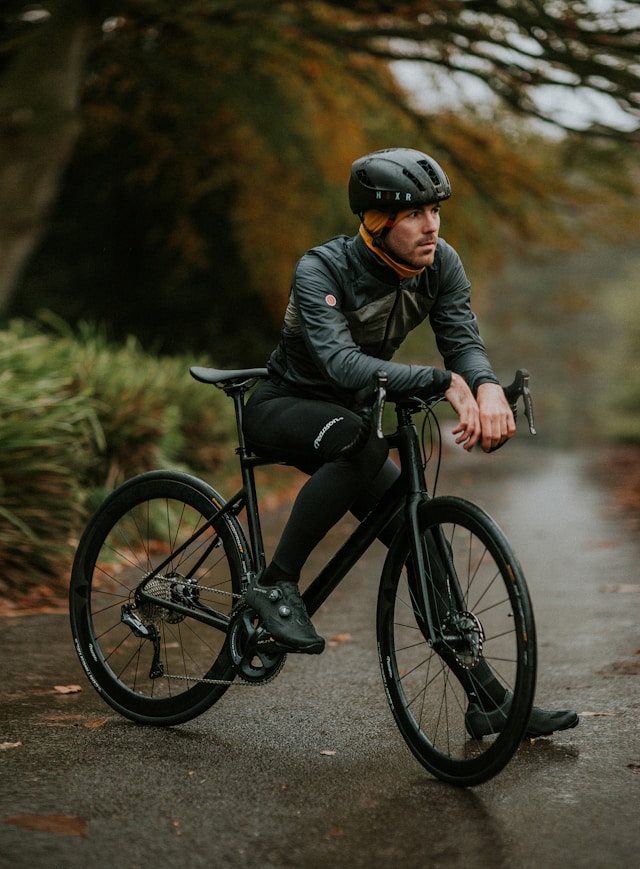
Road Performance
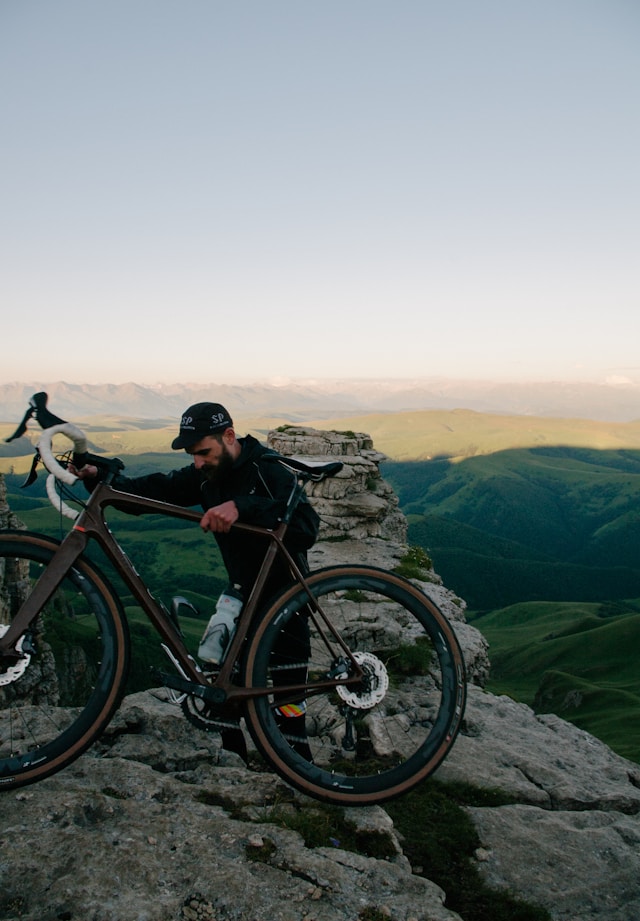
Gravel & Adventure
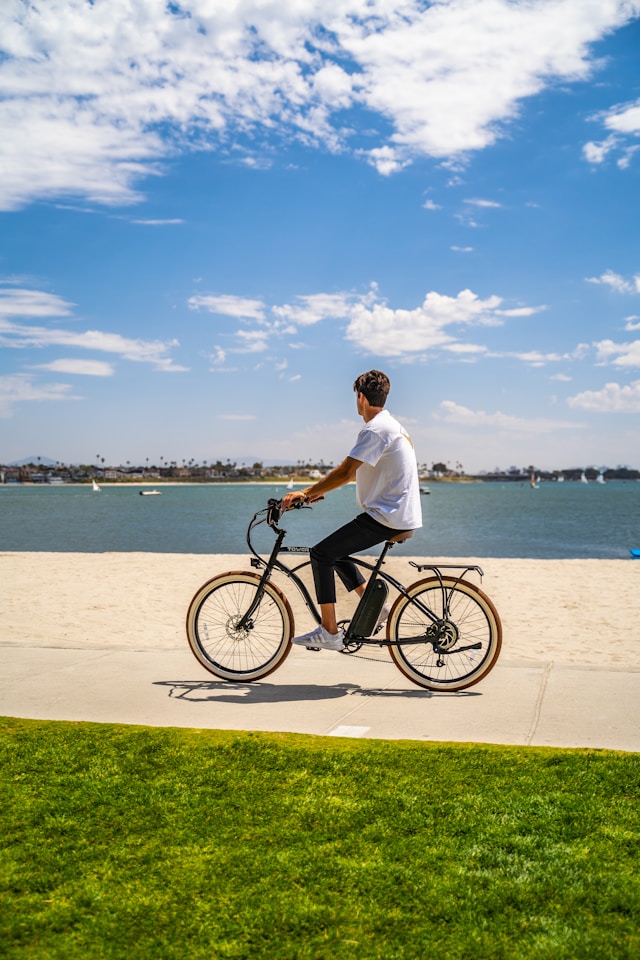
All-Weather Commuter
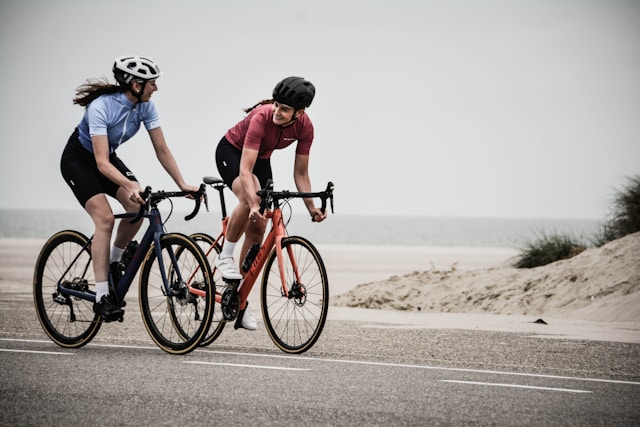
Racing Slicks
Stay in the Loop
Get the latest updates on new releases, technical insights, and cycling stories delivered straight to the inbox.
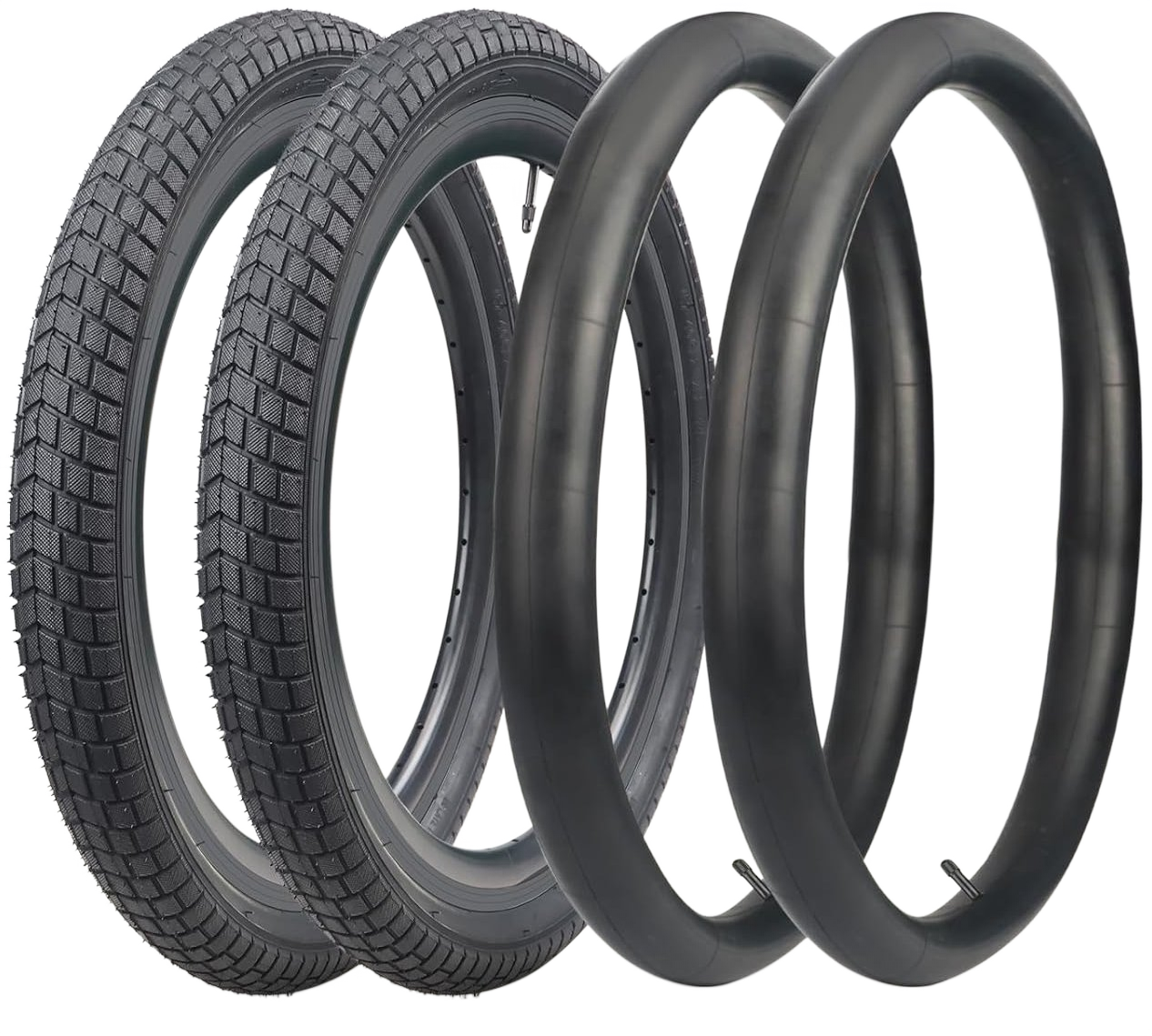
More Options Worth Exploring
Can’t find exactly what you need? These alternatives from trusted manufacturers offer similar performance characteristics and might be the perfect match for your riding style and conditions.
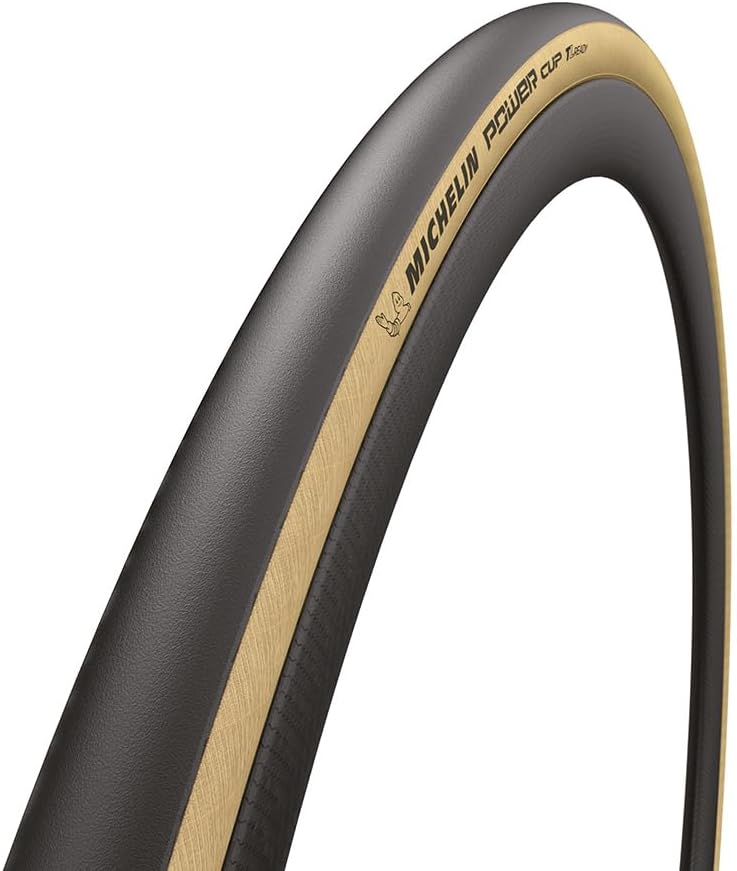
Power Cup TLR 700x30C – Gum-X Compound with Shield Technology
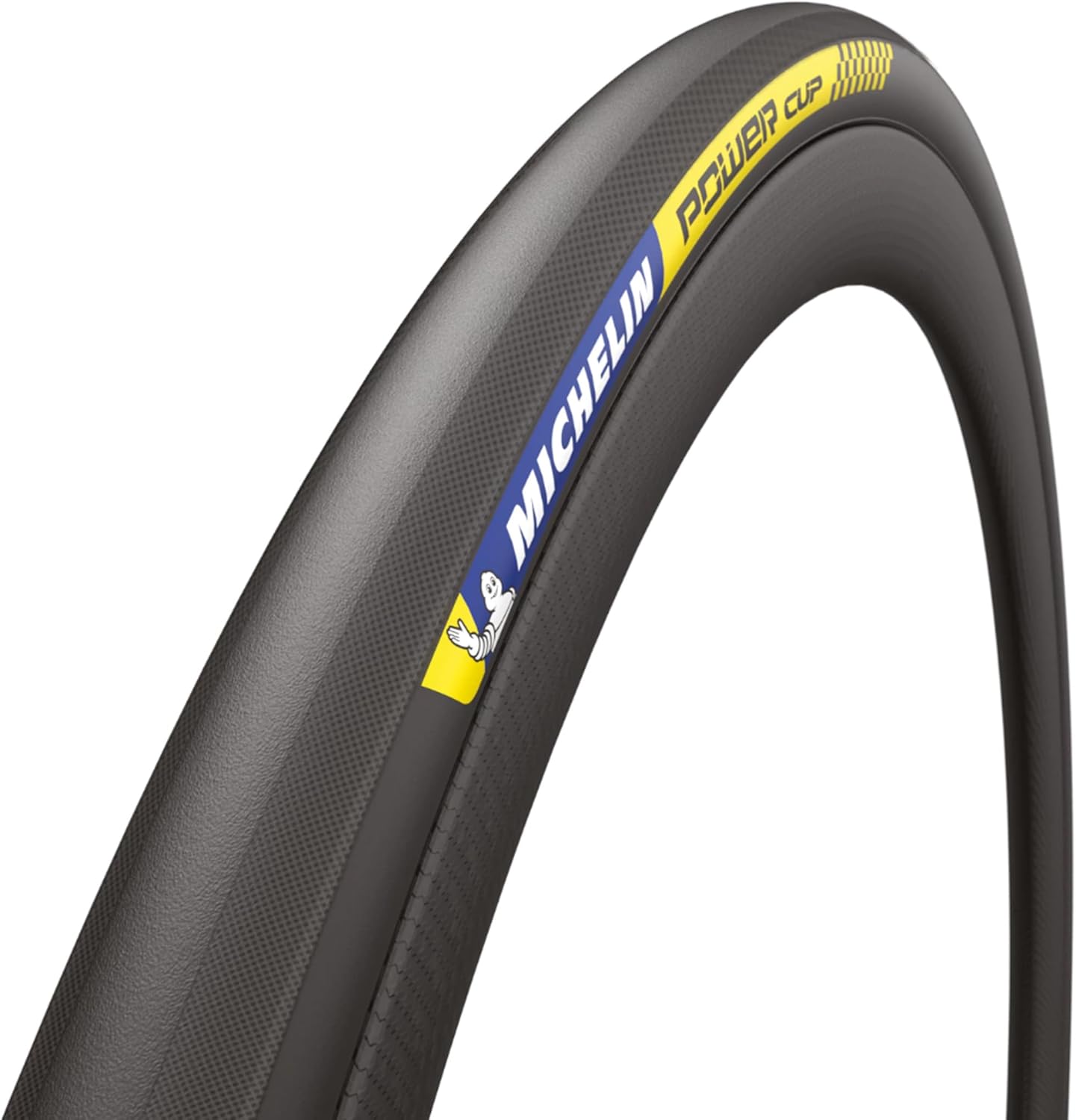
Power Cup Classic TS 700x28mm – Aramid Shield with High-Density 3×120 TPI
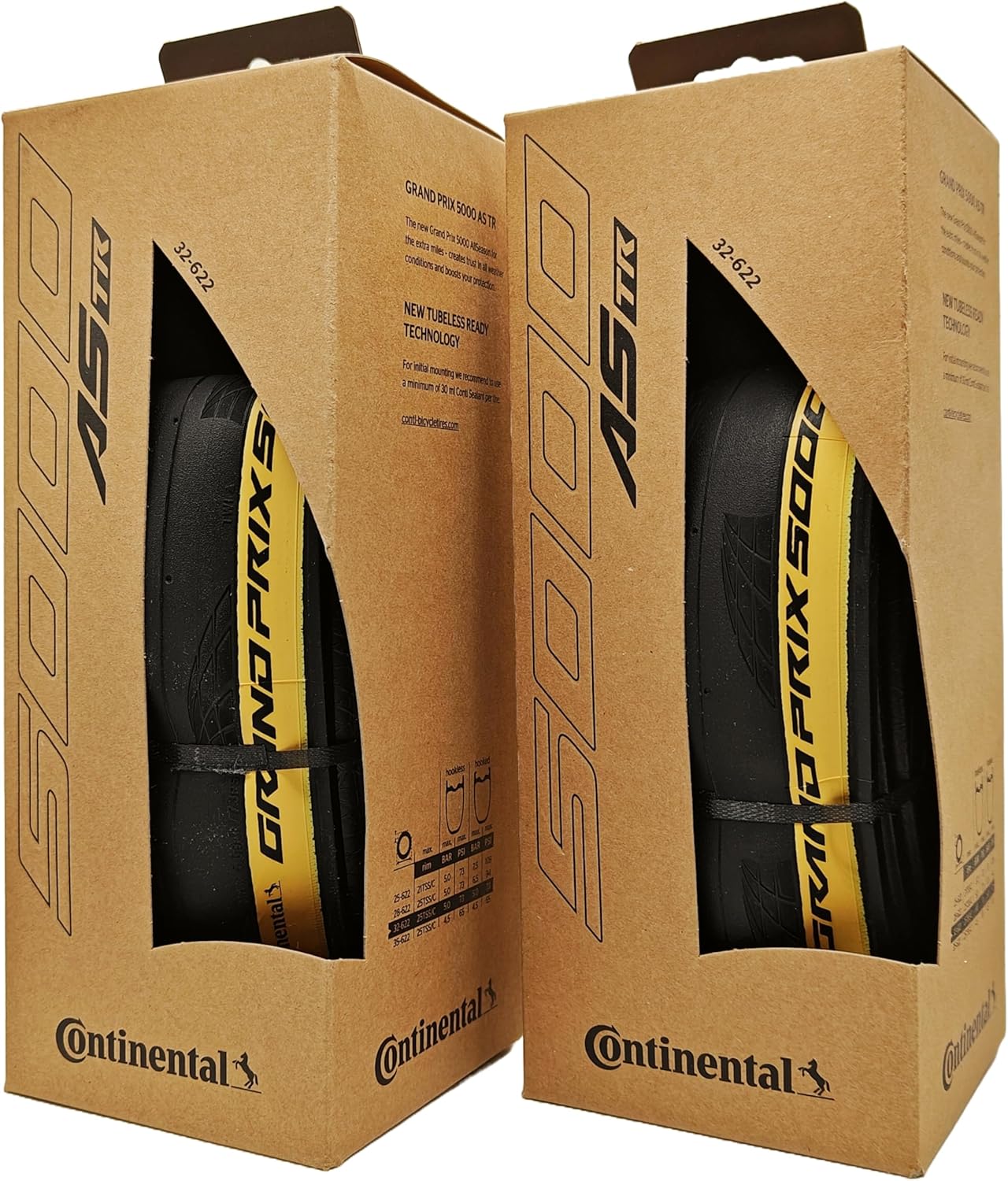
Grand Prix 5000 All Season 700×32 – Tubeless Ready with Black
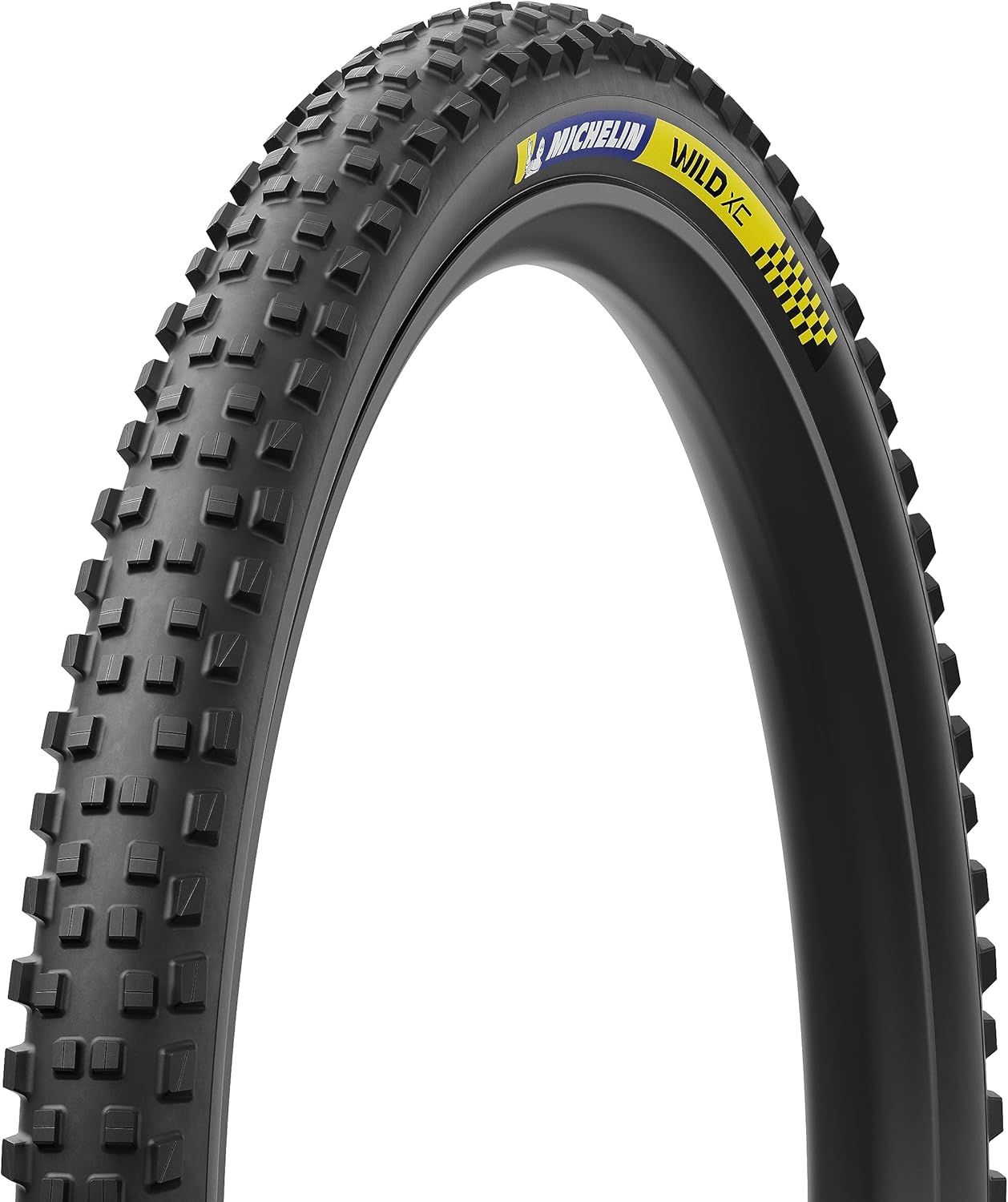
Wild XC Racing 29″ – Folding Tubeless Ready with Cross Shield 2 Casing
Real Riders, Real Roads
Thousands of cyclists trust Corsa to keep them rolling—from daily commutes to race day. Here’s what they have to say.

Switched to these after getting two flats in one week on my old tires. I’ve put about 400 miles on them now through gravel, wet pavement, and some sketchy glass-covered bike lanes—zero issues. They corner better than I expected for something this durable.
Maya K.

I was skeptical about the grip claims, but these held through a rainy century ride where half the group was sliding around on descents. Still rolling smooth at 2,000 miles, which is wild for how light they are.
James T.

My commute involves train tracks, potholes, and the occasional broken bottle. These tires have taken all of it without complaint. I check them every week expecting to find cuts, but they just keep going.